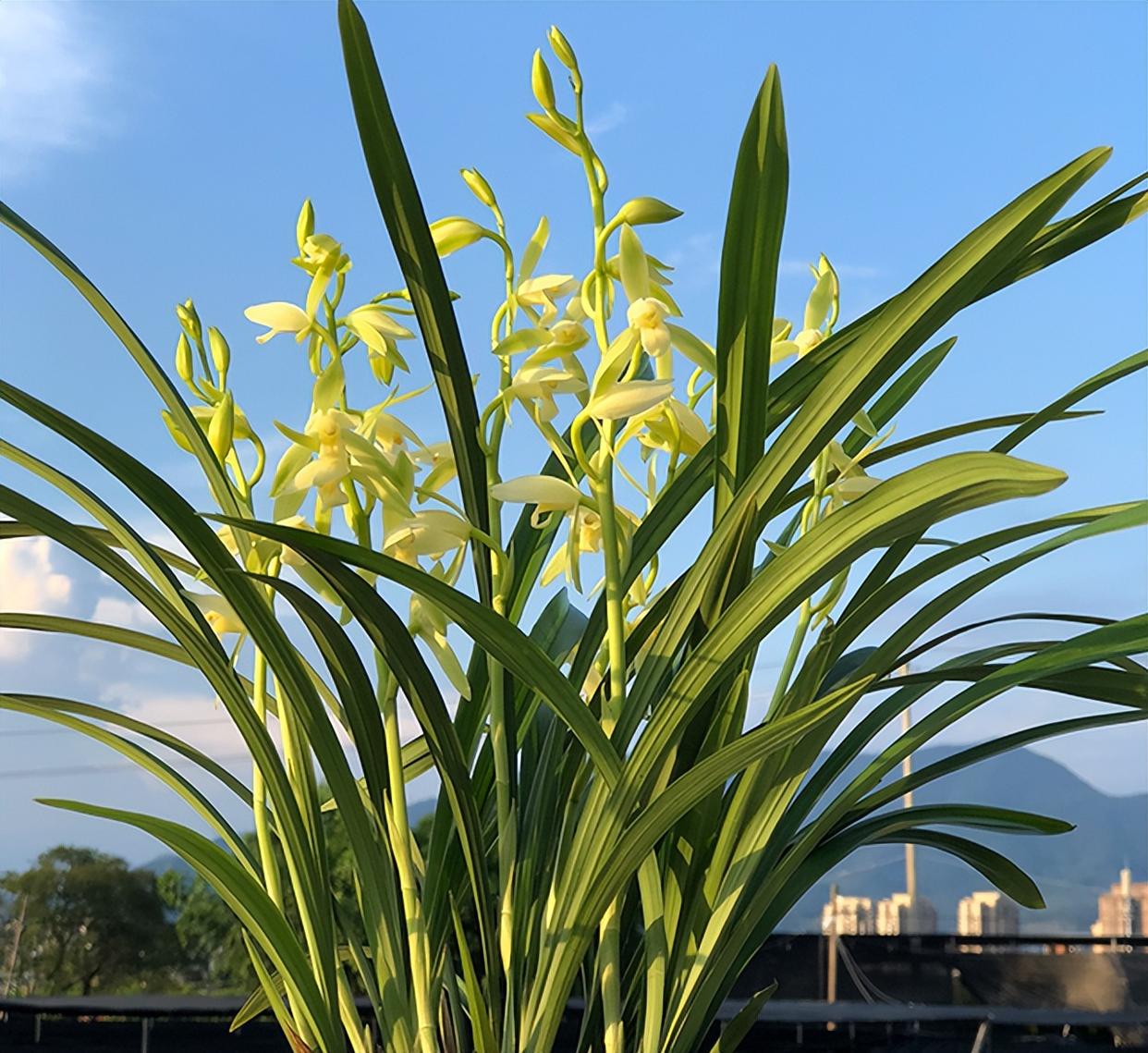
Flower enthusiasts often encounter some strange phenomena during the process of growing flowers, and they might think that the plants are diseased or infested with pests. In fact, some of these are normal physiological phenomena. Today, let’s take a look at those seemingly odd but normal physiological phenomena of flower plants.

01 Blue snowflake salting out
Many flower enthusiasts may notice a layer of white frost on the back of the blue snowflake’s leaves and mistake it for powdery mildew. In fact, this is a normal phenomenon of salt precipitation.
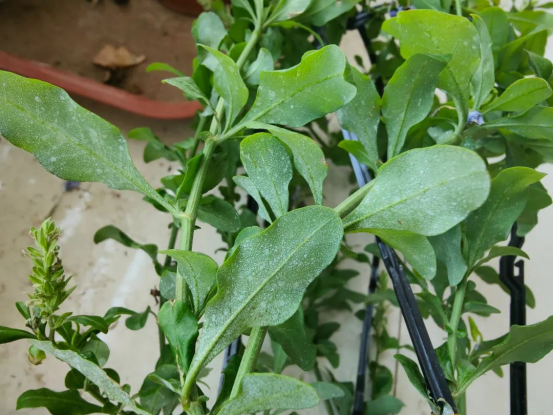
When autumn turns to winter, the temperature drops, and blue snowflake plants are subjected to low-temperature stress, causing them to excrete salts to resist the cold. When soil moisture is insufficient or the salt content is too high, blue snowflake plants will also excrete salts to maintain water balance. Older leaves are more prone to having salt and alkali particles.
Improvement measures:
- Adjust soil pH: Use ferrous sulfate to regulate soil pH and ensure that the soil is not overly alkaline.
- Switch to organic fertilizers: Reduce the use of inorganic fertilizers and switch to organic fertilizers to decrease the occurrence of salt excretion.
- Keep the soil moist: Maintain appropriate soil moisture. Water promptly when the soil surface becomes dry and white to reduce salt excretion.

02Fern spores
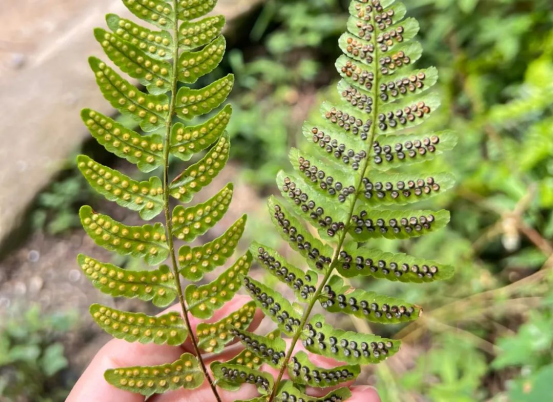
Careful flower enthusiasts will notice that on the back of fern leaves in summer, there are often neatly arranged things resembling insect eggs. These are actually the spores of ferns, equivalent to seeds. When the sporangia mature, they burst and shoot the spores into the air. The spores then drift far away with the wind. When they land on suitable soil, they can develop into prothalli.

03The phenomenon of rose chimeras
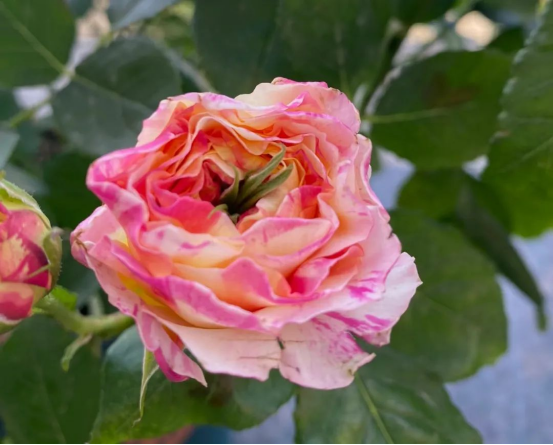
The phenomenon of rose double-petal formation, commonly known as “growing nasal hair”, is caused by drastic changes in environmental temperature or insufficient nutrition during the bud formation period, leading to the secondary growth of pistils and stamens.
For instance, in places like Guiyang, the temperature in March is abnormal, and the phenomenon of cold snap in spring often occurs. If the flower buds are in the formation period at this time, the temperature difference changes can easily lead to the occurrence of double-petal formation.

04Alkaloid oxidation
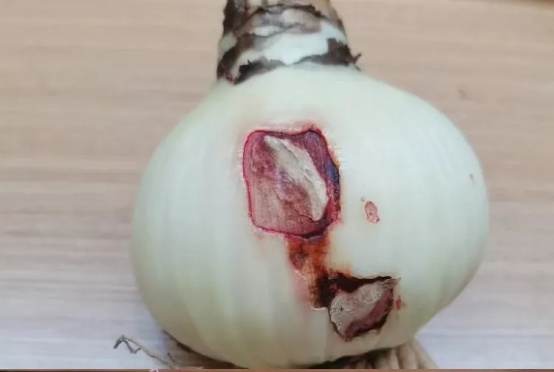
Occasionally, there may be red spots on the leaves or bulbs of the Hippeastrum, which at first glance may seem like red spot disease. If these red patches appear along with wounds, it is a normal phenomenon. When the leaves or bulbs of the Hippeastrum are damaged, the alkaloids inside will flow out and undergo an oxidation reaction upon contact with the air, thus turning red.

05Air roots of the windmill jasmine
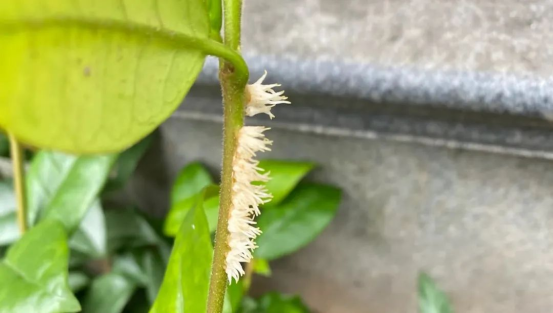
Under conditions of high temperature and humidity, clusters of white objects will grow on the stems of the windmill flower. At first glance, one might think they are the eggs of some kind of insect, but in fact, these are its aerial roots. Aerial roots will grow out under suitable temperature and humidity conditions, and they can absorb moisture from the air, which is beneficial to the growth of the windmill flower. In addition, aerial roots also have the function of adsorption and climbing.

06Phalaenopsis orchid symbiotic bacteria
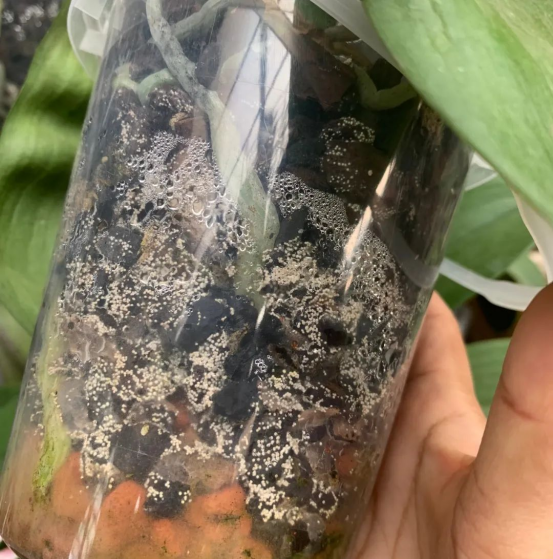
White mold-like substances grow in the pot of the Phalaenopsis orchid?
Don’t worry. They are symbiotic fungi of the Phalaenopsis orchid. They won’t affect the health of the orchid. Instead, they may decompose the sphagnum moss and provide nutrients for the orchid, indirectly inhibiting the growth of other harmful fungi.
It is a long established fact that a reader will be distracted by the readable content of a page when looking at its layout. The point of using Lorem Ipsum is that it has a more-or-less normal distribution of letters, as opposed to using \’Content here, content here\’, making it look like readable English.
The point of using Lorem Ipsum is that it has a more-or-less normal distribution of letters, as opposed to using ‘Content here, content here’, making it look like readable English.
Content here, content here’, making it look like readable English.
Many desktop publishing packages and web page editors now use Lorem Ipsum as their default model text, and a search for \’lorem ipsum\’ will uncover many web sites still in their infancy.