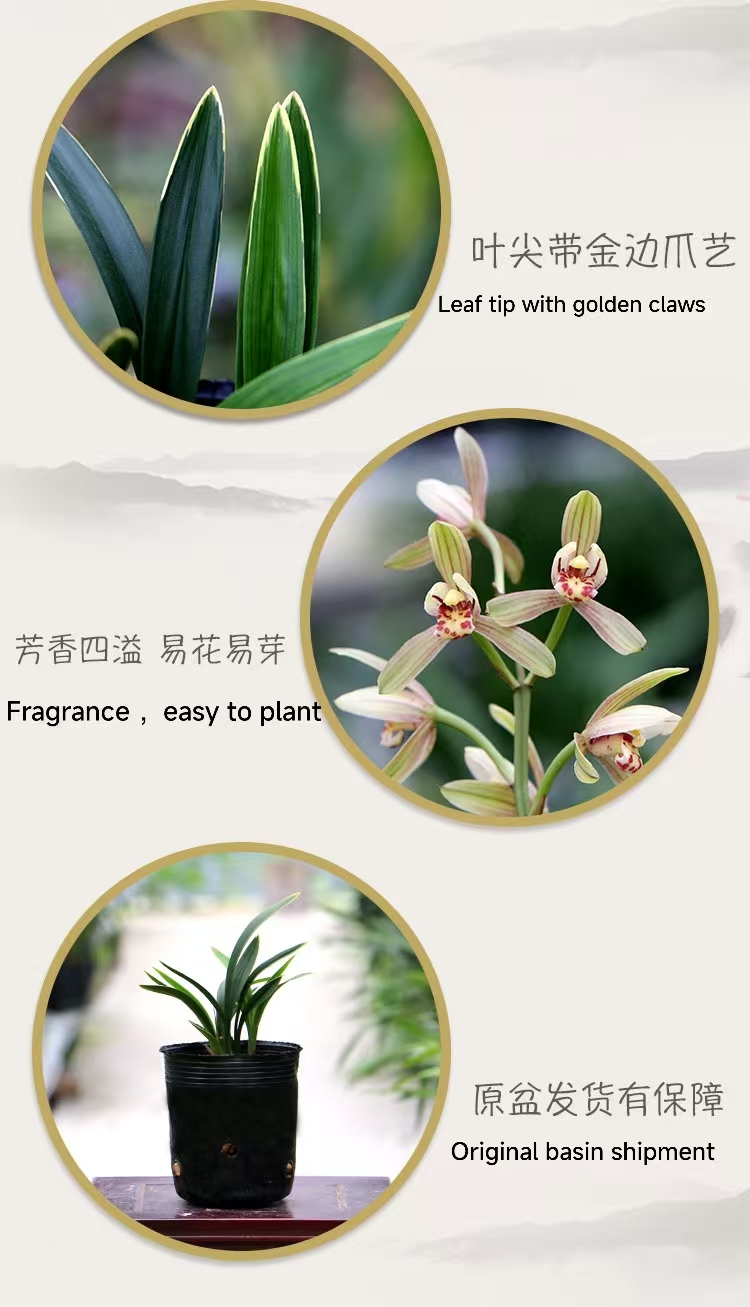
After the arrival of summer, many flower enthusiasts find that their orchids start to have problems: yellowing leaves, root rot, and even the entire pot withering. In fact, the key to growing orchids in summer is not about being overly meticulous, but rather avoiding a few fatal mistakes. Today, I will share some practical tips for orchid care in summer based on my actual experience.
01 Sunshine(光照)
Many people think that orchids prefer shade and need to be completely shaded in summer. This is actually incorrect. Long-term lack of light can cause orchids to grow weakly, have dull leaves, and even affect their flowering the following year.
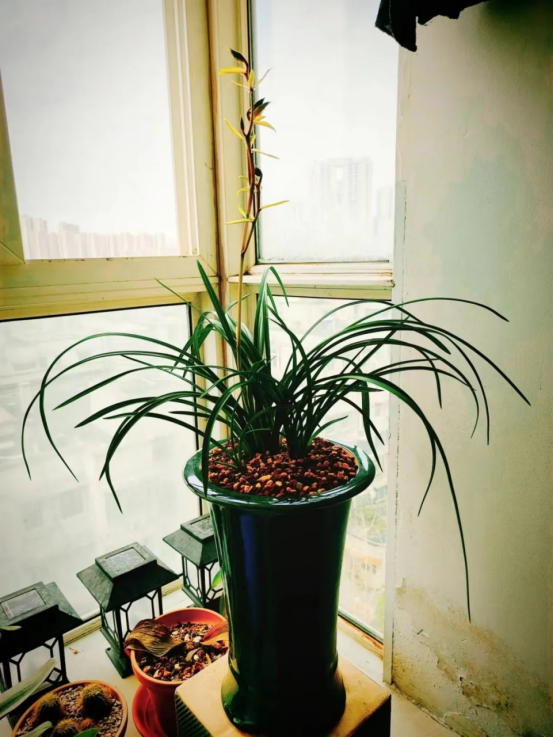
The correct approach is “see light but not direct sunlight”: if possible, place them on the east-facing balcony or under a tree, ensuring the environment is bright but without direct sunlight.
If there is no suitable location, light exposure needs to be controlled: they can be exposed to the sun for 1-2 hours before 7 a.m. when the sunlight is gentle; after 9 a.m., they must be shaded, and a 50% shading net can be used.
Note: It is very dangerous to expose orchids to the sun when there are water droplets on the leaves, as the water droplets can act like a magnifying glass and burn the leaves. The water droplets should be wiped off promptly or the plants moved to a shady area.
02 Water
The most common mistake when watering orchids in summer is “afraid of them drying out, so watering frequently.” In fact, orchids have fleshy roots. In the high temperature and humidity of summer, if the soil in the pot remains wet for a long time, it is very likely to cause root rot. Remember these principles:
Watering time: Choose before 8 a.m. or after 6 p.m., avoiding the midday heat to prevent sudden temperature rise in the water from shocking the roots.
Judging dryness and wetness: Dig 2 centimeters into the topsoil. If it feels dry and clumpy, it’s time to water. You can also lift the pot. When it feels significantly lighter, it’s time to water.
Watering method: Pour water slowly along the edge of the pot until water seeps out from the bottom. Do not directly pour water onto the leaves or the center of the leaves. If water accidentally accumulates in the center of the leaves, even if you dry it, it’s still not good. If you use a clay pot, you can turn it upside down for 1 minute after watering to avoid water accumulation at the bottom. When the air is dry, you can use a spray bottle to spray water on the ground around the plant to increase humidity, but do not spray on the leaves.
03通风 good ventilation
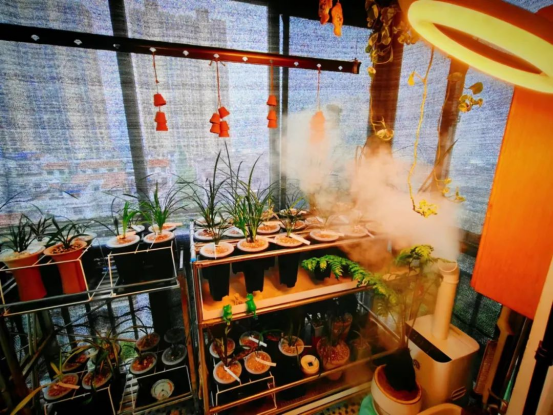
High temperatures combined with poor ventilation make the orchids feel like they are being steamed in a sauna, which inevitably leads to root rot and insect infestation. Even if the temperature is slightly high, as long as there is good ventilation, the orchids can safely get through the summer. When placed by the window, open the window for at least three hours every day. It is best to use a small fan to blow diagonally towards the flowerpots (do not use too strong a wind force, and keep the distance at about one meter) to accelerate air circulation. Leave more than 10 centimeters of space between the flowerpots and do not place them too close together, otherwise the leaves will shade each other and ventilation will be poor.If you grow orchids in plastic pots, it is recommended to drill 3 to 4 small holes on the side of the pot (at the middle height of the pot body) to enhance air permeability. This is more effective than simply using breathable soil.
04Fertilization施肥
Summer fertilization should be done with caution, but it’s not completely forbidden. Weak or diseased seedlings should stop fertilization immediately. Healthy and vigorous seedlings can receive a small amount of fertilizer to store energy for growth in autumn.
Fertilization frequency: once every 20 to 30 days, and each time only half of the usual watering volume should be used to avoid fertilizer residue burning the roots.
Note: If you notice the tips of the leaves turning brown or yellow, stop fertilizing immediately and water the roots twice with clear water to dilute the remaining fertilizer.
05Prevention of pests and diseases
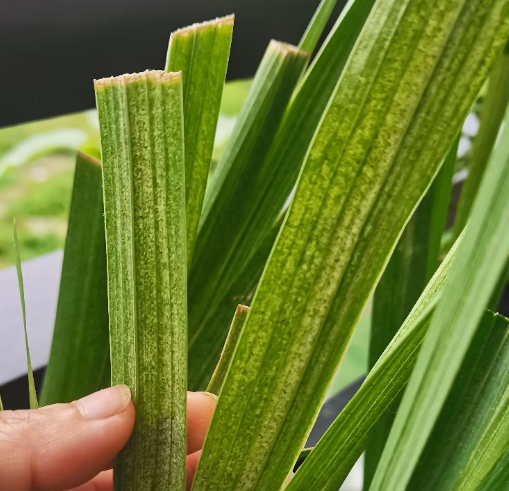
In summer, orchids are most vulnerable to scale insects and red spiders, and are also prone to stem rot and root rot. By the time these problems are noticed, it is often too late to deal with them. Therefore, it is necessary to take preventive measures in advance to avoid damage to the leaves of the orchids caused by pests and diseases. Using Qian Bai Ji Fu Meng once a month can prevent stem rot, root rot and root rotting. Spraying Hua You Xiao once a month can prevent the occurrence of pests such as red spiders and scale insects.
Orchid red spider
Hi, this is a comment.
To get started with moderating, editing, and deleting comments, please visit the Comments screen in the dashboard.
Commenter avatars come from Gravatar.
By the end of this comprehensive guide, you’ll have a clear understanding of the top 10 must-have gadgets of the year and be able to make an informed decision about which ones align with your needs and preferences. So, get ready to discover the most exciting gadgets of the year and elevate your tech game to new heights.
important consideration when it comes to purchasing gadgets. That’s why we’ll provide you with insights into the value for money each gadget offers, and whether they are worth the investment.